CANINE CORNER WITH REBECCA HAWKINS
TEAR STAINS ON DOGS: CAUSES AND REMOVAL
Have you ever noticed some breeds of dog have staining around the eyes? Tear stains are a common concern for dog owners, particularly those with white or light-coated dogs. While usually harmless, they can sometimes indicate an underlying issue.
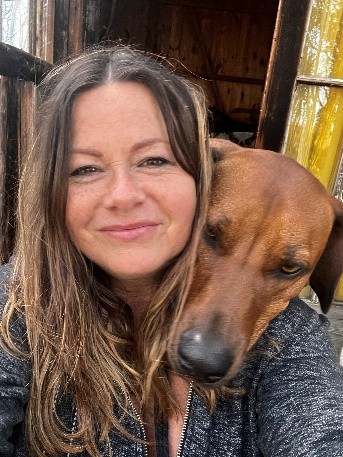
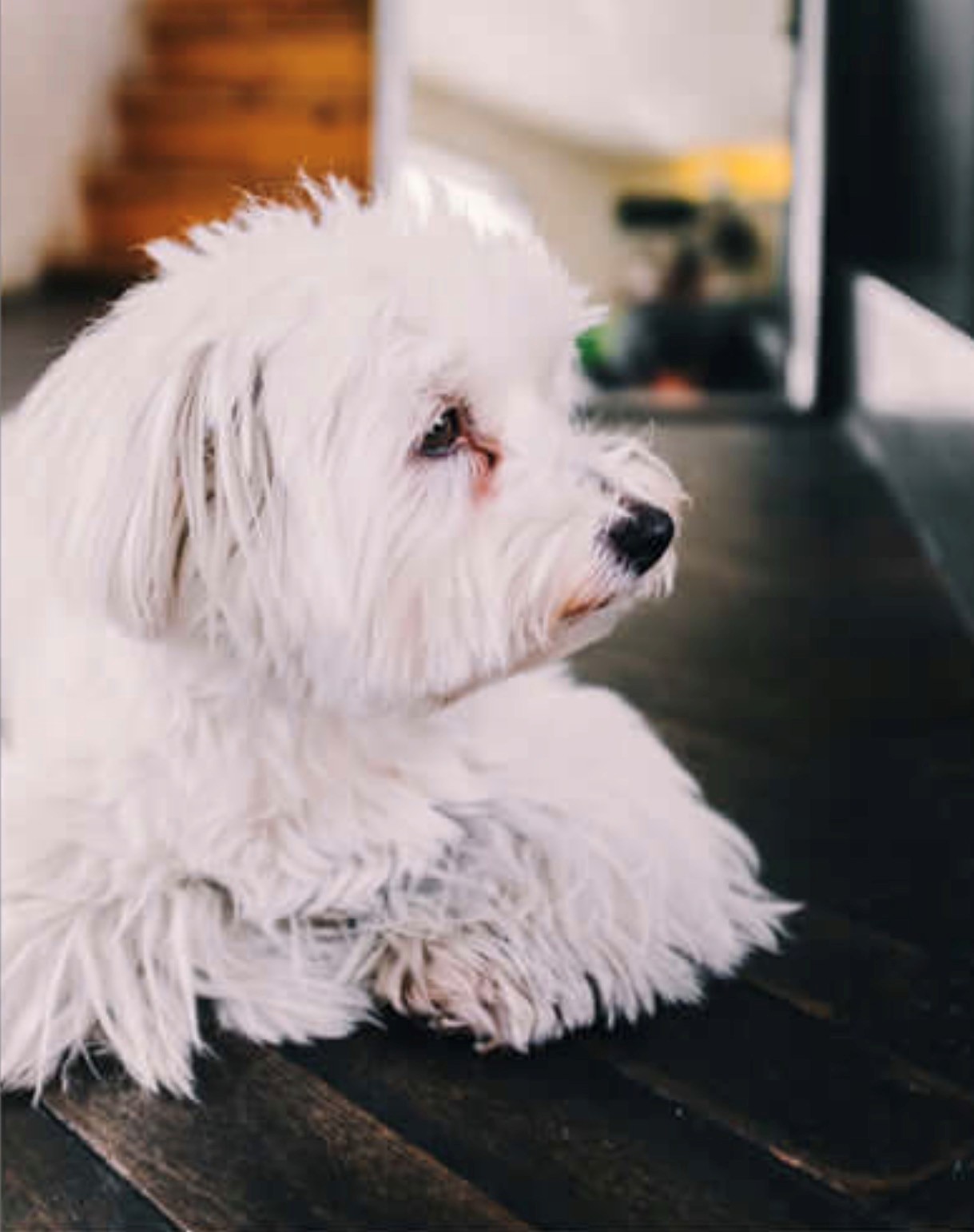
These reddish-brown or rusty marks appear under a dog’s eyes or on their muzzle. They occur when tears spill onto the fur instead of draining properly through the tear ducts. It can also appear on paws or anywhere the dog excessively licks and leaves saliva stains.
What causes tear stains?
Tear stains are typically caused by porphyrins, naturally occurring iron-containing molecules in tears. These molecules stain the fur, especially light-coated dogs. Certain dog breeds are more prone to tear stains. These include those with excess fur around their eyes and noses, particularly short-nosed breeds. Stress is another factor. Just like humans, dogs can show physical signs of stress and anxiety, which can lead to watery eyes.
Do tear stains disappear on their own?
Yes, sometimes they do. Puppy tear stains are usually not permanent and typically fade as your dog grows and develops. Healthy adult dogs also tear occasionally, often a sign their eyes are flushing out unwanted bacteria. However, certain breeds may have tear stains that persist slightly longer. If you notice persistent staining, worsening, or accompanying yellow/green discharge, redness, or swelling, consult a vet to rule out infection.
How to remove and prevent dog tear stains:
Regular gentle cleaning helps manage visible staining and prevents new ones. Use cotton wool and warm/cool boiled water and wipe away from the eye to avoid irritation and dry the area to reduce yeast or bacteria build-up. A dab of Vaseline under the eye can also help prevent tears from settling on fur.
Excess fur around the eyes traps moisture, worsening tear staining. Your dog’s diet can significantly impact tear staining. Switching to a higher-quality dog food can sometimes help. If you suspect food allergies, discuss allergy tests or an elimination diet with your vet. Be mindful of your dog’s water intake. Excessive water can contribute to tear staining.If your dog drinks water from a plastic bowl, consider switching to a stainless steel, glass or ceramic one. These are less likely to harbour bacteria and cause eye infections. You could also try mineral-rich tap water instead of filtered or bottled water, which might help reduce tear stains in sensitive dogs over time.
In some cases, your vet might prescribe antibiotics probiotics medicated drops or other treatments. These should only be used under veterinary supervision to treat tear staining in dogs. Some oral supplements claim to reduce porphyrins however, always consult your vet before using these as not all products are safe or effective.
I would advise against using home remedies like hydrogen peroxide milk of magnesia or human makeup wipes and eye drops. These can be harmful to your dog.