CANINE CORNER WITH REBECCA HAWKINS
AVOIDING UNNECESSARY TRAGEDIES
As the spring season unfolds, with the lighter evenings and School holidays right around the corner, more of us will be exploring the countryside with our dogs. The local fields and farmland will be bursting with newly born and hatched babies. Young animals, such as rabbits, fox cubs, chicks and new born lambs are particularly vulnerable to various dangers.

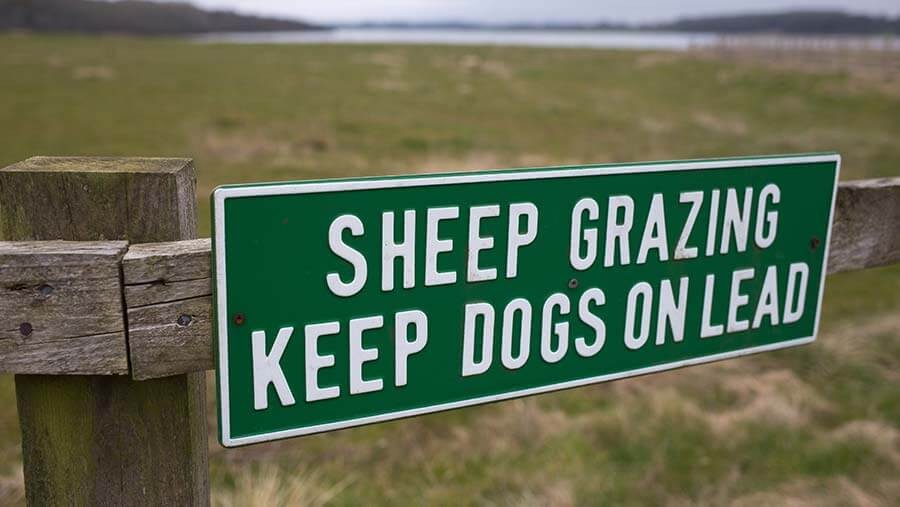
This vulnerability underscores the importance for dog owners to exercise heightened vigilance and take additional precautions. Whether you frequently explore rural areas or simply enjoy the occasional scenic stroll through the countryside, now is the ideal moment to reassess your responsibilities and implement proactive measures to prevent distress, injury, or potential tragedy.
Choose walking routes where you can be absolutely certain that no visible animals are present. Places with ponds may have baby ducklings, woodlands may have pheasants or deer, open grasslands will most certainly have newly born lambs. This preventive strategy is far more effective than dealing with the consequences after an incident occurs. Minimising exposure to livestock is the most straightforward way to reduce stress for these animals and safeguard your dog from potential risks.

Always Keep Your Dog on a Lead Near Livestock No Exceptions
Even if your dog is trained to avoid sheep, responsible ownership dictates that they must always be on a lead when navigating through areas with livestock. This practice not only sets a positive example for other dog owners but also shows a deep respect for the rural environment. Those walking in the local fields must obey any visible signs as there may be places and areas where dogs aren’t permitted or need to be on a lead no longer than two metres long. The Countryside Rights of Way Act 2000 also details the responsibilities dog owners have around sheep and other livestock, especially during breeding season. Between March 1st and July 31st this becomes a legal requirement, even if no livestock have been spotted on the land.
Regardless of how obedient your dog may be in other contexts, when confronted with young, wobbly moving lambs, or indeed newly hatched birds, their instinctive behaviour may take control. It’s crucial not to wait for an incident to happen before recognising this reality. Taking responsible, preventive action now can help avert potential problems. Dogs possess a remarkable ability to detect sheep and lambs from distances exceeding half a mile. They can sense their presence long before you are aware. Given the opportunity, many dogs may react instinctively, disregarding even the most practiced recall commands. Therefore, it’s vital not to take unnecessary risks.
Preventable tragedies are all too common and no one wishes to experience the heart wrenching scenario of watching their dog chase, attack, or harm sheep or lambs. Unfortunately, this distressing reality occurs thousands of times each year. The repercussions can be severe, leading to immense suffering for lambs and sheep and granting farmers the legal right to protect their animals, sometimes resulting in the loss of a dog’s life.
By following these essential steps, you are not only protecting defenceless newborn animals, but also ensuring your dog’s safety and upholding responsible countryside walking.