FLYING AROUND THE FARLEIGHS WITH RAY MORRIS
HAVE THE FARLEIGHS LOST THEIR CHEEESE?
No, that’s not a misprint, and it refers to what some of Kent’s oldest folk will recognise as part of the song of the Yeldring. It may also ring a bell with those who grew up with their nose in Enid Blyton books as it was she who popularised the almost universally known ‘Little-bit-of-bread-and-no-cheeese’ song of the Yellowhammer.

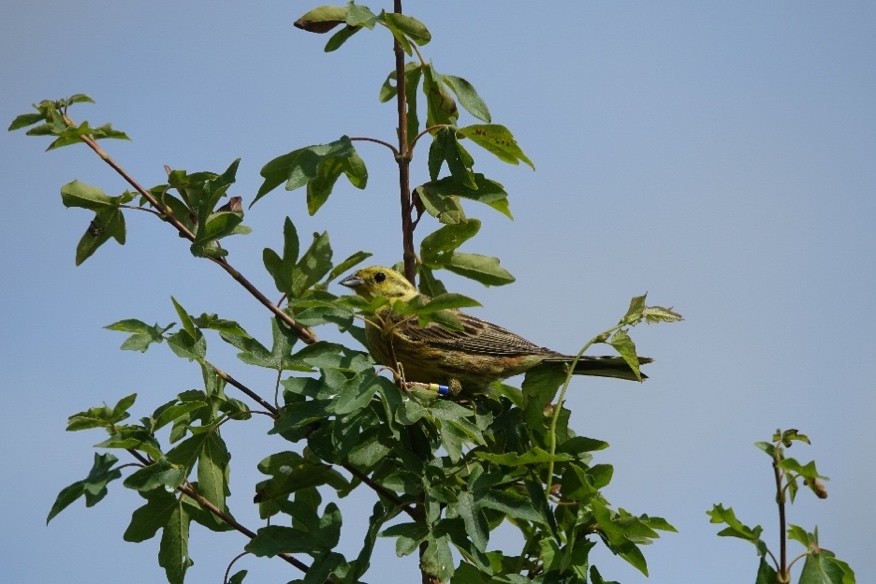
But yes, they have suffered a steep decline in Kent over the last fifty years, along with the rest of the country. This once common farmland bird has been one of the species hardest hit by the introduction of intensive agriculture. As hedgerows were systematically removed to create bigger, machinery-friendly fields they were deprived of nest sites. Next followed the change to autumn-sown cereals that meant there were no stubble fields left with spilt seeds to sustain them through the winter. Further loss of seeds and insects from chemical sprays followed to hammer them (pun intended), reducing their little-bit-of-bread too. But we now know enough to begin reversing the losses.
Photo: Alex Boughton
Many small fields in our part of Kent have retained the yellowhammers’ basic requirement of low hedges and insect-rich vegetation associated with damp ditches along the Greensand spring line. Sensitive hedgerow management for nesting is a first step and farmers can be paid to leave a broad field margin to provide the insect and plant life to feed the young of all species.
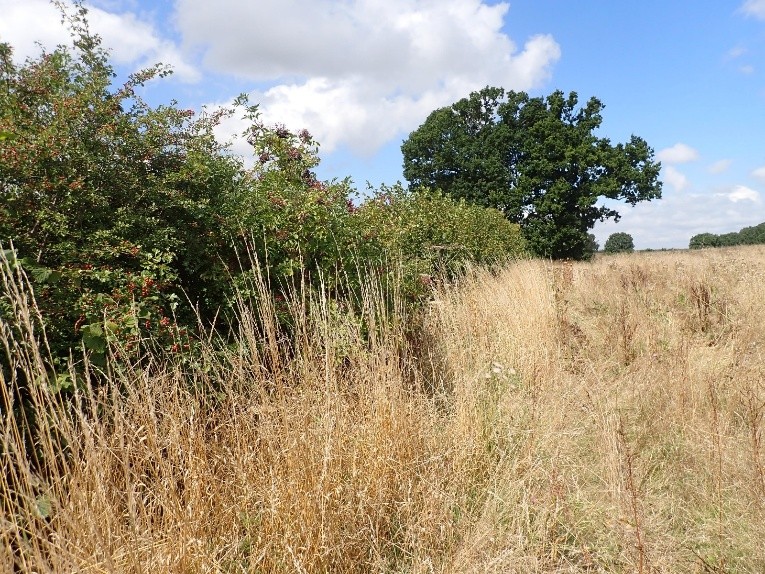
However, even Blyton’s Famous Five would soon spot that if half of all yellowhammers die each winter due to starvation, the mystery of the disappearing Yeldrings can be solved by providing over-winter food for them in the form of a seed-rich crop left in the ground. And it’s working.
On frosty, sunny days, fields sown with winter bird seed sometime have a blizzard of bright yellow birds (plus flocks of those ‘little brown jobs’) just as over-winter stubble fields would have had in the past. Here, local ornithologists have trapped and colour-ringed yellowhammers to track them by sight (captured on cameras) around the area.
Photo: Ray Morris
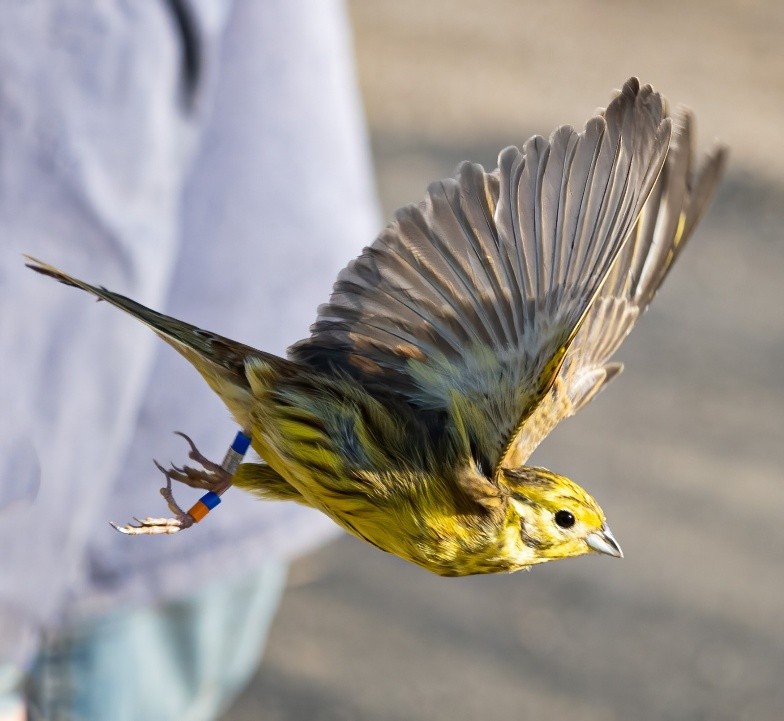
Not only have we found the birds move from farm to farm, hoovering up the food to keep them alive, we are recording birds surviving well beyond the three years thought to be the norm.
For a bird dubbed scribble lark by poet John Clare – after the pattern of scribbled lines on its eggs – it’s good that carefully scribed evidence suggests things are beginning to look up for birds in some parts of Kent. Yellowhammers start singing in March – so ears open!
Photo: Darren Nicholls