Tina Woodhams Gardening Notes For May
Warmer temperatures and longer daylight hours will have encouraged plant growth, however, a persistent dry period during the spring means we need to be water-wise in our gardens. Avoid using the hosepipe if possible and use water butts to store the precious rainfall that we do have! Don’t water your lawn as grass copes well with drought – established areas should generally survive and recover once rain returns. In periods of dry weather it is worthwhile raising the lawn mower blades to reduce stress on the grass.

Use a high-potash or liquid tomato feed in summer bedding pots, or make your own by filling a container with nettles weighed down with a brick – after 2 to 4 weeks drain the liquid and dilute 1 part to 10 parts water.
Deciduous shrubs that flower in spring or early summer should be pruned after flowering, such as Philadelphus (mock orange), Deutzia and Weigela which flower on the previous year’s growth. Remove any damaged or dead wood and cut a fifth of stems to ground level to improve air flow around the shrub. Prune lilacs immediately after the flowers have faded, as the plant will start to form buds for next year’s flowers. Remember to mulch well with organic matter after pruning.
Frequently deadhead roses to ensure repeat flowering throughout summer and tie in any new shoots. Remove any suckers growing up from the roots, which will look quite different to the main stems. Pruning on a regular basis prevents congestion and will lessen the chance of black spot and powdery mildew which thrive in overcrowded plants.
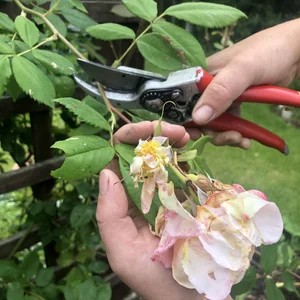

Be vigilant for ‘rose balling’ – this is where the blooms remain unopen and subsequently the outer petals encase the inner ones, causing them to rot inside, and should be removed immediately to prevent grey mould.
Stake tomato plants and remove side shoots – these are the ones that grow between the main stem and the leaf - and start to feed them as soon as the first truss is setting fruit.
Harden off any tender vegetable plants such as courgette, squashes and sweetcorn, and plant out. Colder nights can still damage tender young plants so be ready to cover with a cloche or fleece until well established. Leeks may also be planted out – using a dibber make a hole for each plant, then carefully fill the hole with water (not earth) which will encourage the plants to thicken.
Save some money by growing next year’s display! Sow seeds of wallflowers, foxgloves and sweet Williams and take softwood cuttings of Penstemon, fuchsias and hydrangea for next summer.
There’s so much to enjoy in our gardens and outdoor spaces. After completing your tasks you will have time to sit, relax and enjoy all your efforts.
Happy Gardening!