TINA WOODHAMS GARDENING NOTES FOR JULY
July in the garden is a wonderfully busy month, with harvesting and maintenance the key elements plus seed sowing and forward planning for the seasons ahead.
Water pots first thing in the morning and in the evening when it is cooler and direct sun will not evaporate the water before it has had chance to drain into the pot. Ensure that you water directly into the soil to feed the roots and not onto leaves or stems as this will cause your plants to rot. Place pots on a saucer or tray to reduce water waste. Adding a mulch on top of the soil will keep roots cool and retain moisture underneath.

Deadhead roses, dahlias and annuals regularly to keep them tidy and encourage repeat flowering throughout the season.
In the borders, cut back early flowering perennials such as hardy geraniums, salvia caradonna, alchemilla mollis and dianthus to help ensure a second bloom in late summer or early autumn. Keep on top of the weeding! Hoeing or hand-weeding regularly will minimise any seeds from setting in the ground and allow your plants to grow freely. Edging the lawn around borders prevents the grass from spreading into your beds whilst maintaining their shape.
It’s never too early to plan for next year! Sowing seeds for perennial and biennial plants such as hollyhock, sweet William, pansy, foxglove, honesty and wallflower will provide you with colour and interest for the following year.
In the vegetable garden direct sow root vegetables such as carrots, beetroot and radish for an autumn crop together with french and runner beans and peas for a final crop in the autumn. Now is the time to think about sowing crops that you can harvest in later winter – including spring cabbage and perpetual spinach. Plant out brassica plants - purple sprouting broccoli, calabrese, cabbage and Brussels sprouts, remembering to net these to protect against bird and caterpillar damage.
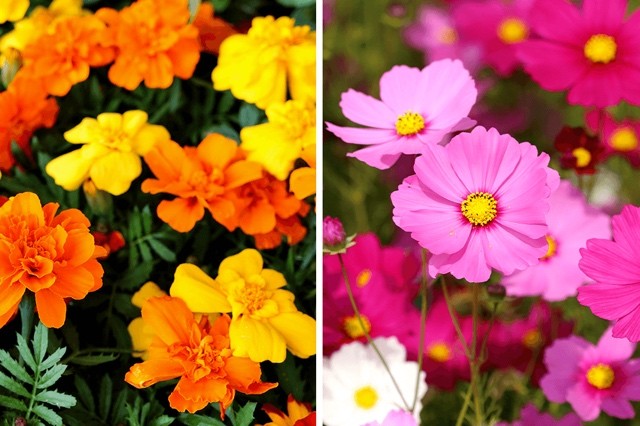
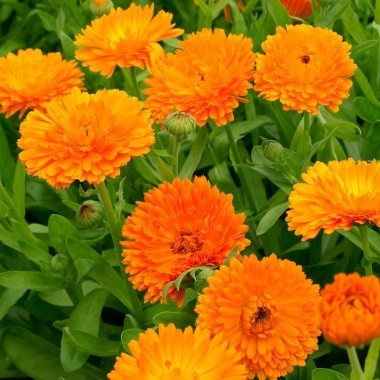
Remain vigilant for pests and diseases. Aphids multiply rapidly in warm weather and can be removed by hand or with a quick blast using the hose, or a soapy spray made using washing up liquid and water. Planting nectar-rich species such as cosmos, calendula and marigolds will encourage natural predators such as ladybirds and lacewings which will happily feast on the aphids!
Make the most of your outside area, as this is the time of year we get together with friends and family for al-fresco dining and relaxation whilst enjoying the results of our hard work!
Happy Gardening!
SUNFLOWERS – TOP TIPS

With the West Farleigh In Bloom annual sunflower competition fast approaching, here's some tips for growing the prize-winner!
Sunflowers enjoy a rich, well-drained soil so add well-rotted manure or garden compost before planting out. This will help the roots to run deep and find plenty or essential nutrients.
Give the plants space to grow to ensure good air circulation, the spacing will depend on the variety of sunflower you are growing, and will help to prevent them from rotting.
Choose a sunny, sheltered spot away from strong winds. Support the plants using robust wooden or metal stakes placed close to the stalk and then attach the stalk to the stake with soft ties such as garden twine to prevent cutting into the plant.
Protect young plants from slugs and snails, home remedies include copper bands, broken eggshells, broken nutshells, ground coffee beans and seaweed.
If you enjoy a cold beer (and are of a legal age) so do slugs! Make a beer trap by burying a pot into the ground and half fill it with beer - the slugs will seek it out and fall into the pot.
Feed your sunflowers! Use diluted liquid fertiliser once a week and once the plant starts flowering feed it with a high potash tomato feed. It's important to pour directly into the ground directly to the root system and not onto the stem as this will cause the sunflower to rot.
Then watch as your sunflower reaches the dizzy heights of success! Happy sunflower growing!
Good Luck!